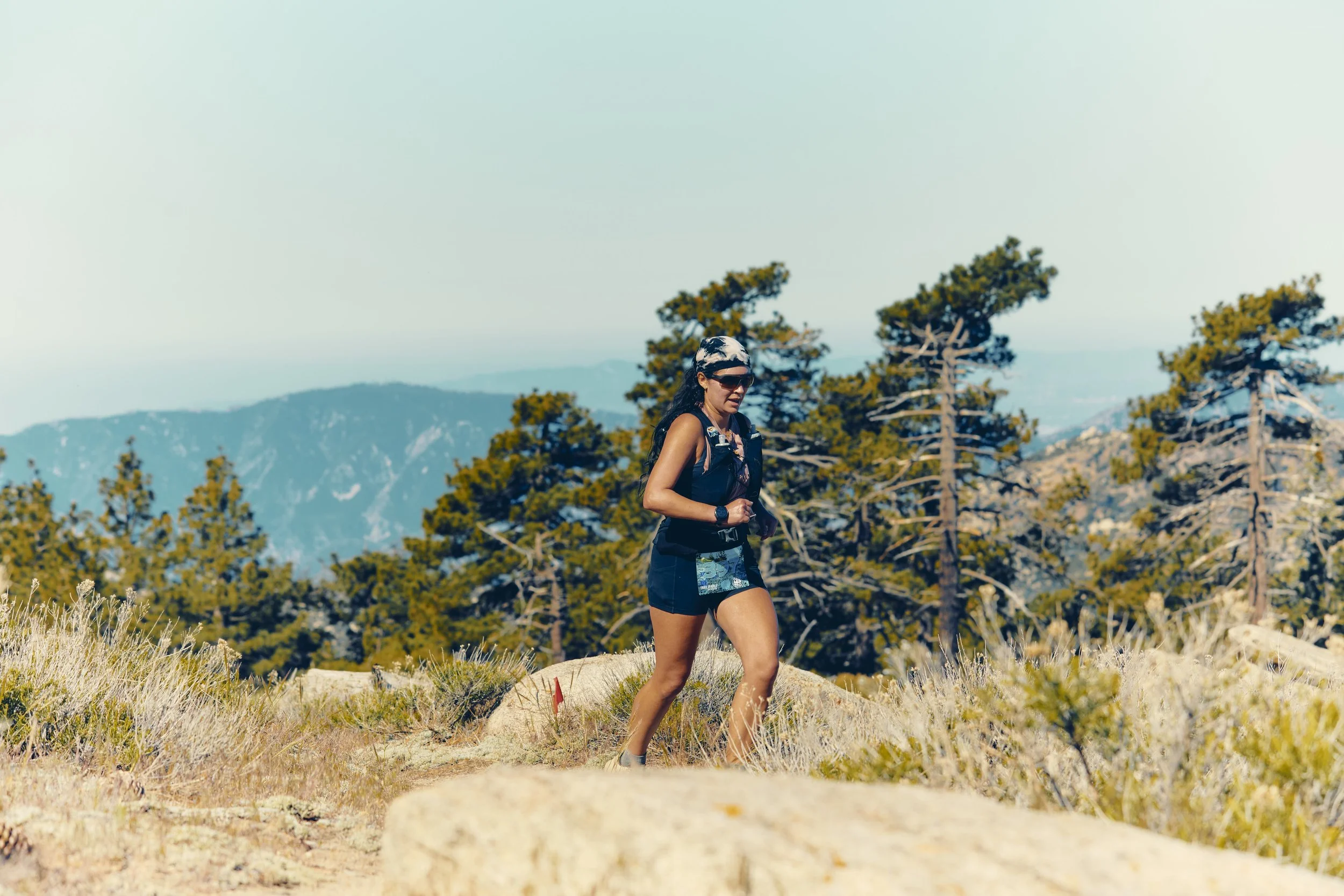
100MILES FOR NEUROLOGICAL HOPE
Rewire100
is a 100 mile endurance and advocacy initiative using long-distance running to raise awareness for Functional Neurological Disorder (FND) and adaptive athletes in ultra running.
Expanding the conversation around neurological disability and endurance.
Created by Southern California ultrarunner and adaptive athlete Victoria Santibanez following her diagnosis with Functional Neurological Disorder (FND) and chronic hemiplegic migraine. Project Rewire100 began as a personal goal to return to the sport she loved and has since grown into something much bigger: an effort to raise awareness for FND and challenge perceptions of what living with an invisible neurological disability can look like.
FND is a complex and often misunderstood neurological condition that can affect movement, sensation, speech, and other functions of the nervous system. For those living with it, physical abilities can change dramatically from one day to the next.
Through a year of endurance events culminating in the Kodiak 100 Mile Ultramarathon, Rewire100 explored the intersection of neurological disability and endurance sports. But the project's purpose was never simply to prove that running 100 miles was possible.
It was to make space for a more honest conversation about what it means to be an adaptive athlete.
To recognize that someone can run extraordinary distances and still experience disabling symptoms. That strength and vulnerability aren't mutually exclusive. And that adaptation, rather than physical ability alone, is often at the heart of endurance.
Rewire100 is about visibility, not proving that disability can be overcome.
Through personal storytelling, community engagement, and advocacy, the project aims to increase understanding of FND, highlight the experiences of adaptive athletes, and encourage greater inclusion in endurance sports.
Fundraising efforts associated with Project Rewire100 support FND Hope, an organization dedicated to advancing research, education, and awareness for Functional Neurological Disorder.
The 100-mile finish line marked the completion of one goal, but not the end of the conversation.
That work continues through Forward, Not Done, a broader platform dedicated to sharing the realities of life with chronic neurological conditions and advocating for greater awareness, accessibility, and representation.
Because the story of an athlete living with disability doesn't begin or end at a finish line.
Forward, Not Done.
Forward, Not Done.
From learning to walk again to running 100 miles—somewhere between a hospital bed and a finish line, my understanding of the human mind changed entirely.
In 2025, I was diagnosed with chronic hemiplegic migraine and Functional Neurological Disorder (FND), two neurological conditions that dramatically changed my life. Within months, I went from training for a 100-mile ultramarathon to losing my ability to walk independently.
A year later, I crossed the finish line of the Kodiak 100 Mile Ultramarathon.
My story isn't about overcoming disability. It's about learning to live, adapt, and pursue what I love alongside it.
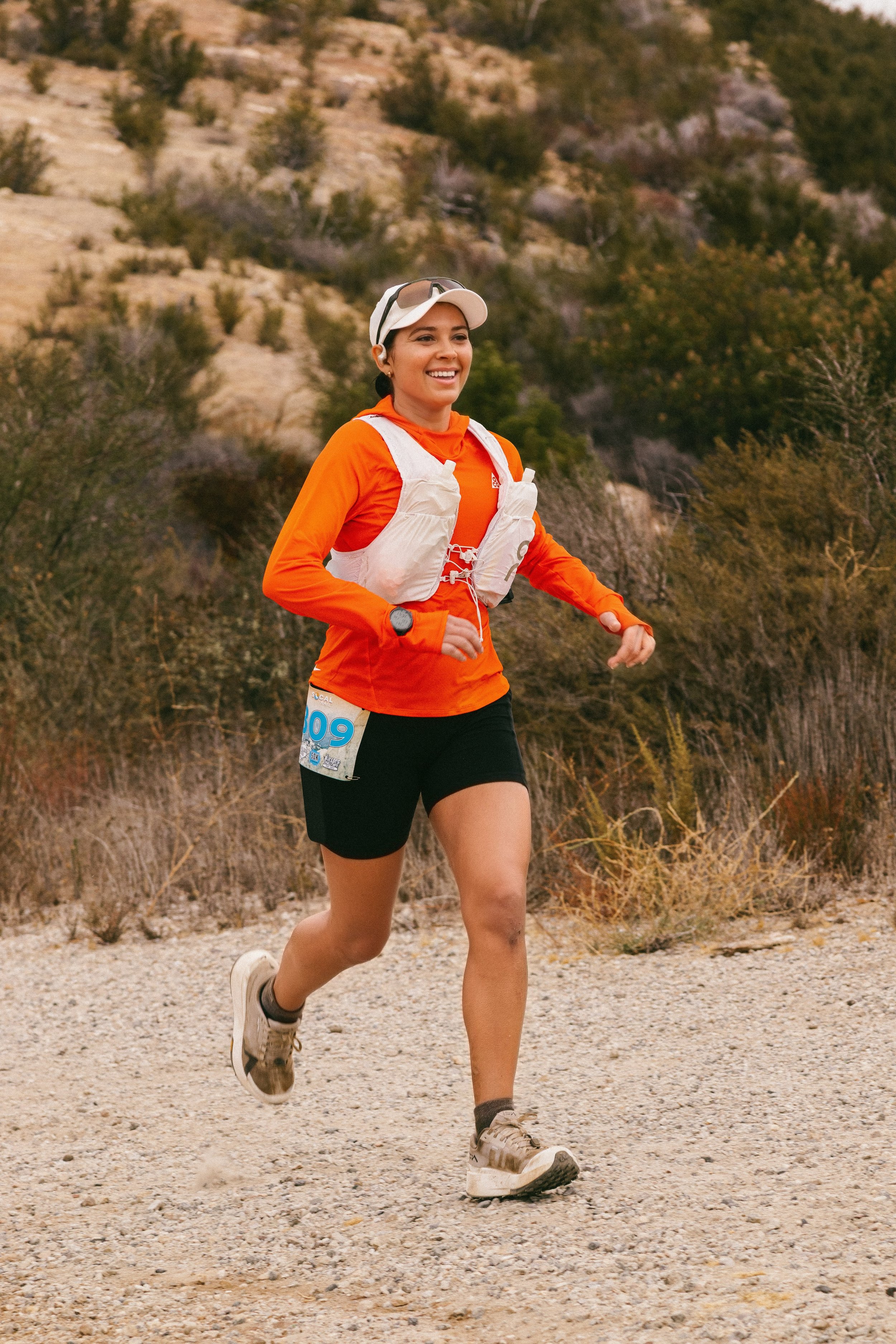
In 2024, I failed at my first attempt to run 100 miles.
Going into the race, it became very clear early on that I was woefully unprepared for this undertaking. After 28 hours slogging through the mountains without sleep, I missed the cutoff at the mile 83 aid station and earned my first DNF (Did Not Finish). I had a sprained ankle, chafing in places I didn't even know existed, and absolutely no business signing up for another one.
Naturally, I registered again the next morning.
Over the next year, I took everything I'd learned from that first attempt and threw myself into training. Towards the end of my training block, I felt stronger and more prepared than ever to take on the mythical 100-mile distance.
I had done the work. I was ready.
Then everything changed.
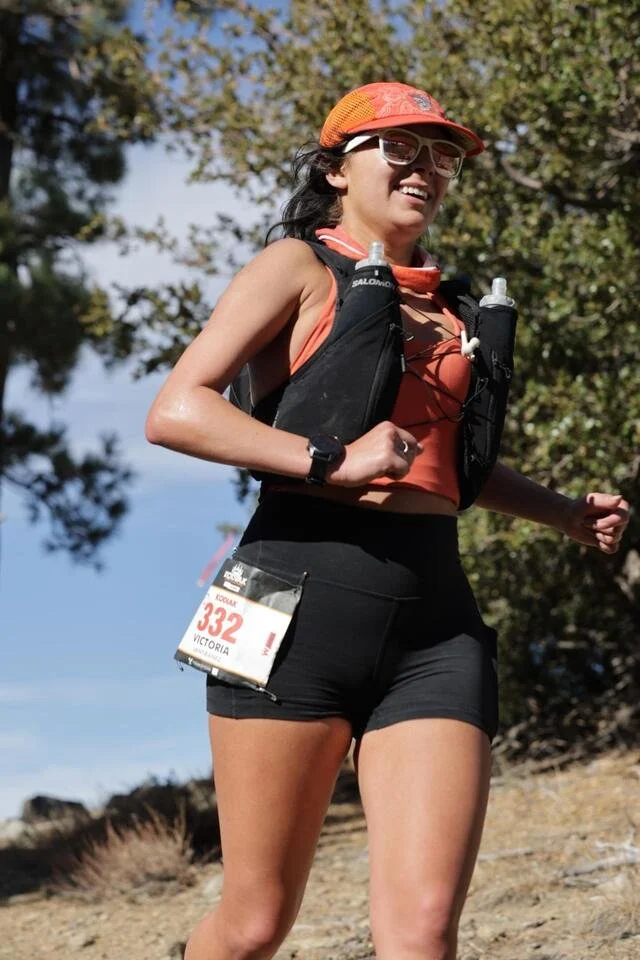
A few weeks before my race, I signed up for a 50K as a final test run. Almost immediately, something felt off. My heart rate was all over the place, my legs felt stuck as though I were running through mud, and painful spasms began shooting through my back.
I struggled across the finish line and chalked it up to a bad race.
But in the weeks that followed, things only got worse.
The weakness in my legs intensified and spread into my arms and torso. My back began tilting awkwardly to the left. My left hand would stiffen and jerk uncontrollably, and at times, the left side of my face would droop.
Something was seriously wrong.
I made the difficult decision to defer my 100-mile race until I could figure out what was happening.
What followed was a blur of emergency room visits, medical tests, and mounting frustration. My labs and scans kept coming back normal, yet my physical abilities were rapidly deteriorating.
Within months, I lost my ability to walk independently and, at times, even to speak.
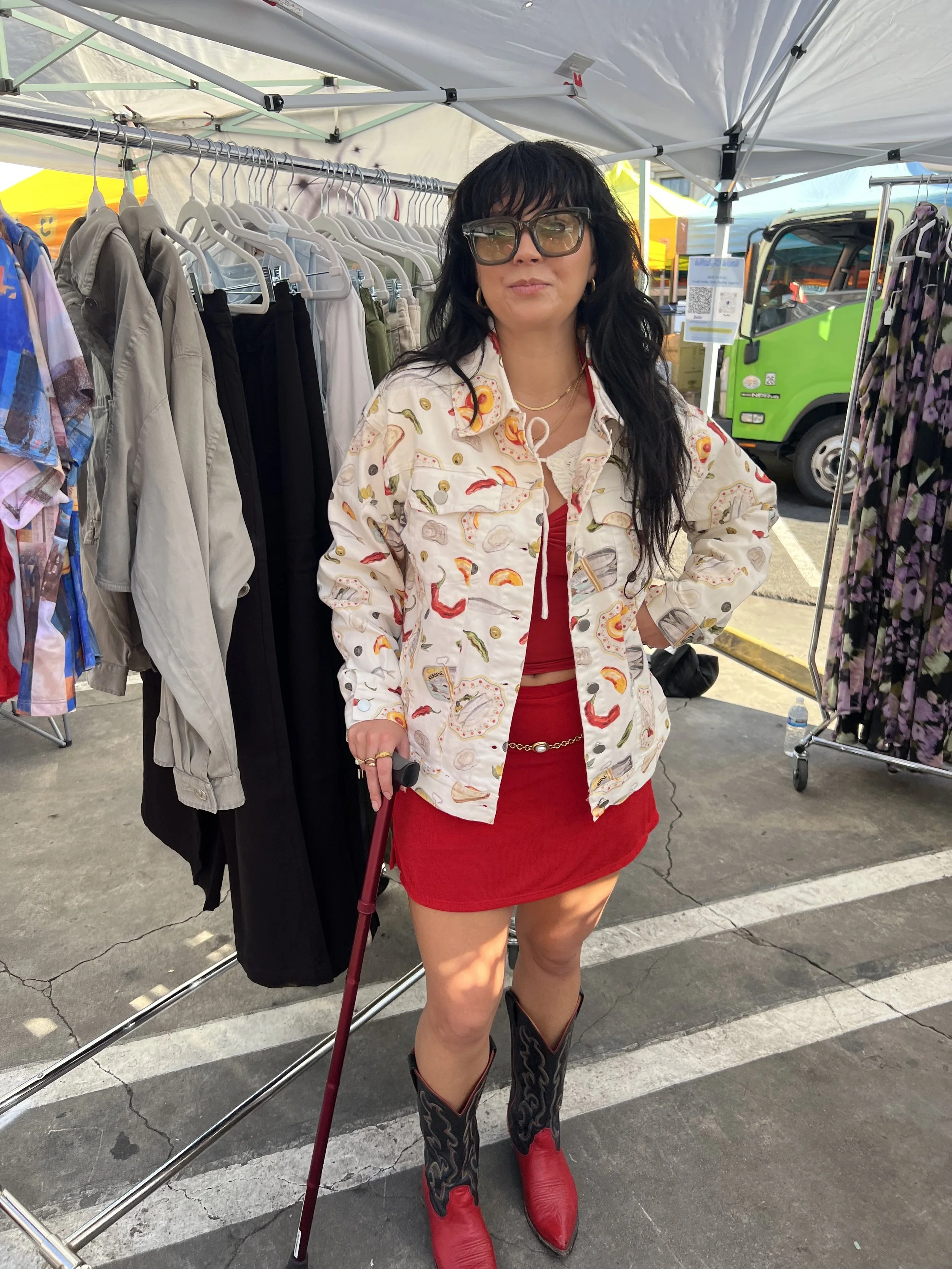
The same legs that had carried me across mountain ranges could barely make it up the last two stairs in my home. I traded my trekking poles for a cane and needed help getting dressed, getting out of bed, and managing basic daily tasks.
It felt like overnight, I had begun inhabiting a body I no longer recognized.
Two Diagnosis. A Completely Different life
After a five-day hospital stay and exhaustive testing, I finally received two diagnoses: chronic hemiplegic migraine and Functional Neurological Disorder (FND).
Hemiplegic migraine is a rare form of migraine that can cause temporary muscle weakness or paralysis, often affecting one side of the body. Unlike the migraines most people are familiar with, my symptoms can involve much more than head pain—including neurological disturbances that affect my movement and ability to function.
Functional Neurological Disorder is a condition involving disruptions in how the brain sends and processes signals. Rather than structural damage to the nervous system, FND affects how neurological functions operate, sometimes causing symptoms such as weakness, tremors, abnormal movements, and difficulty walking or speaking.
Although these conditions are distinct, their symptoms can overlap, making an already complicated situation even harder to navigate.
The diagnoses finally gave my symptoms names, but they didn't give me a roadmap.
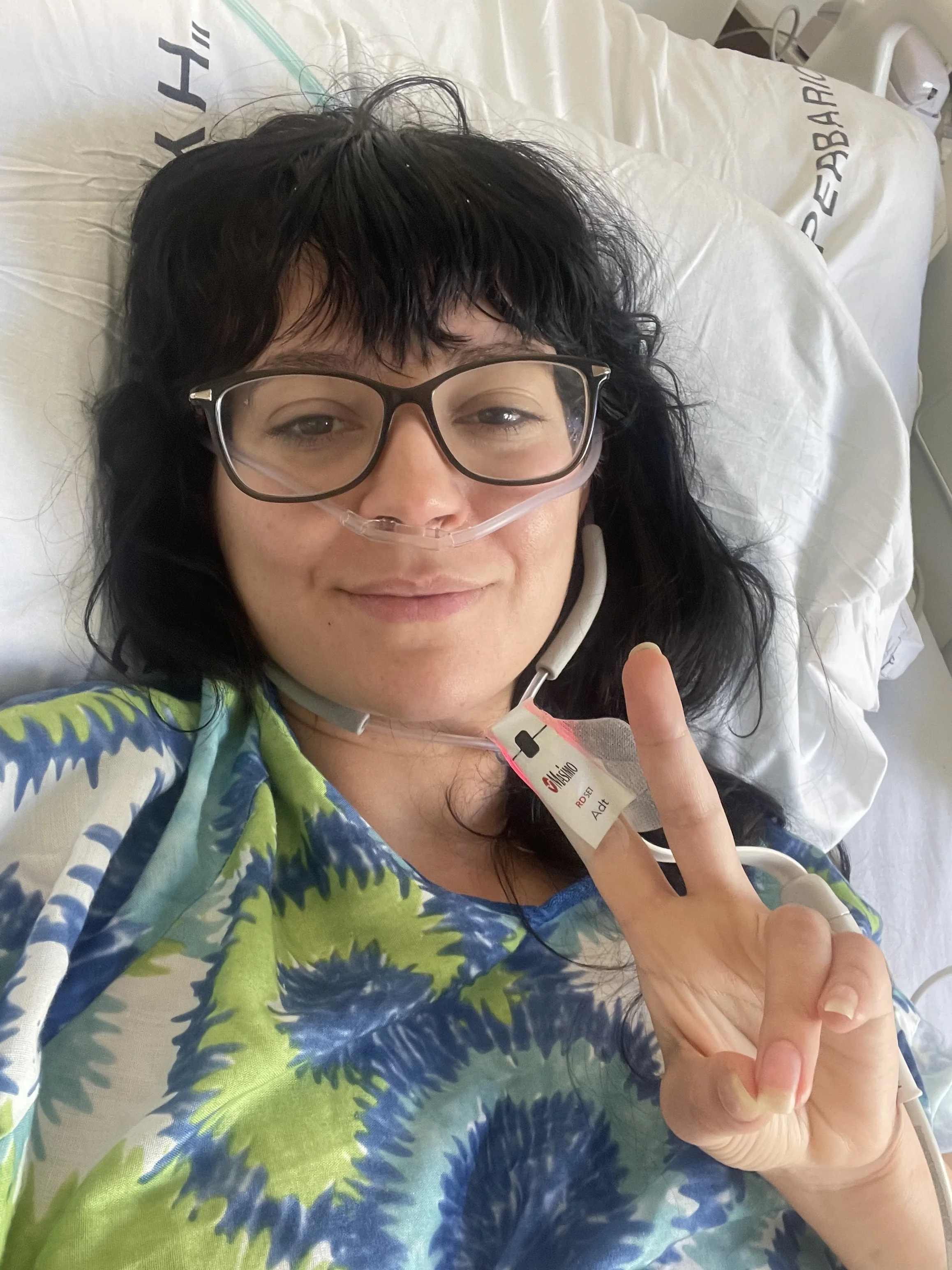
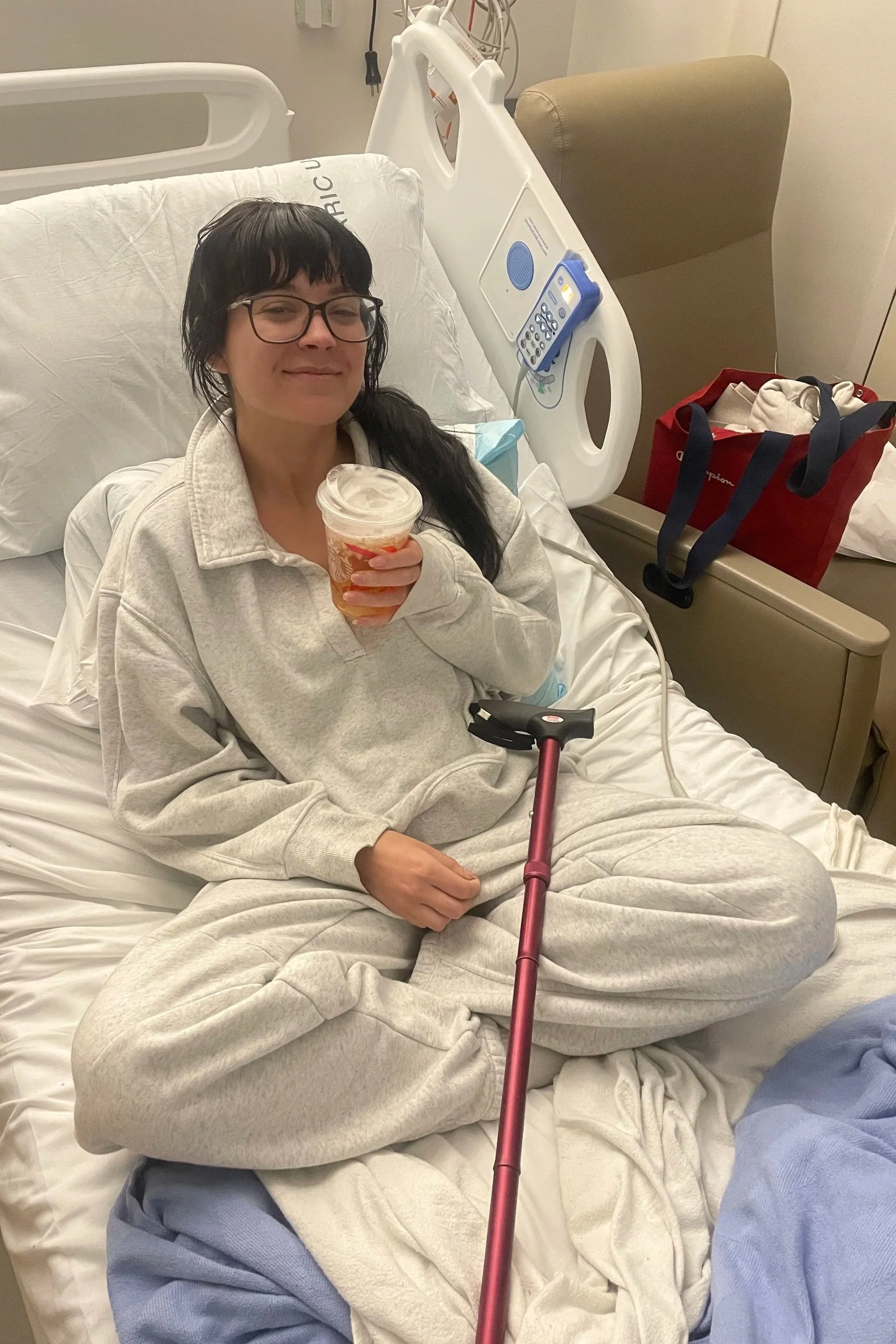
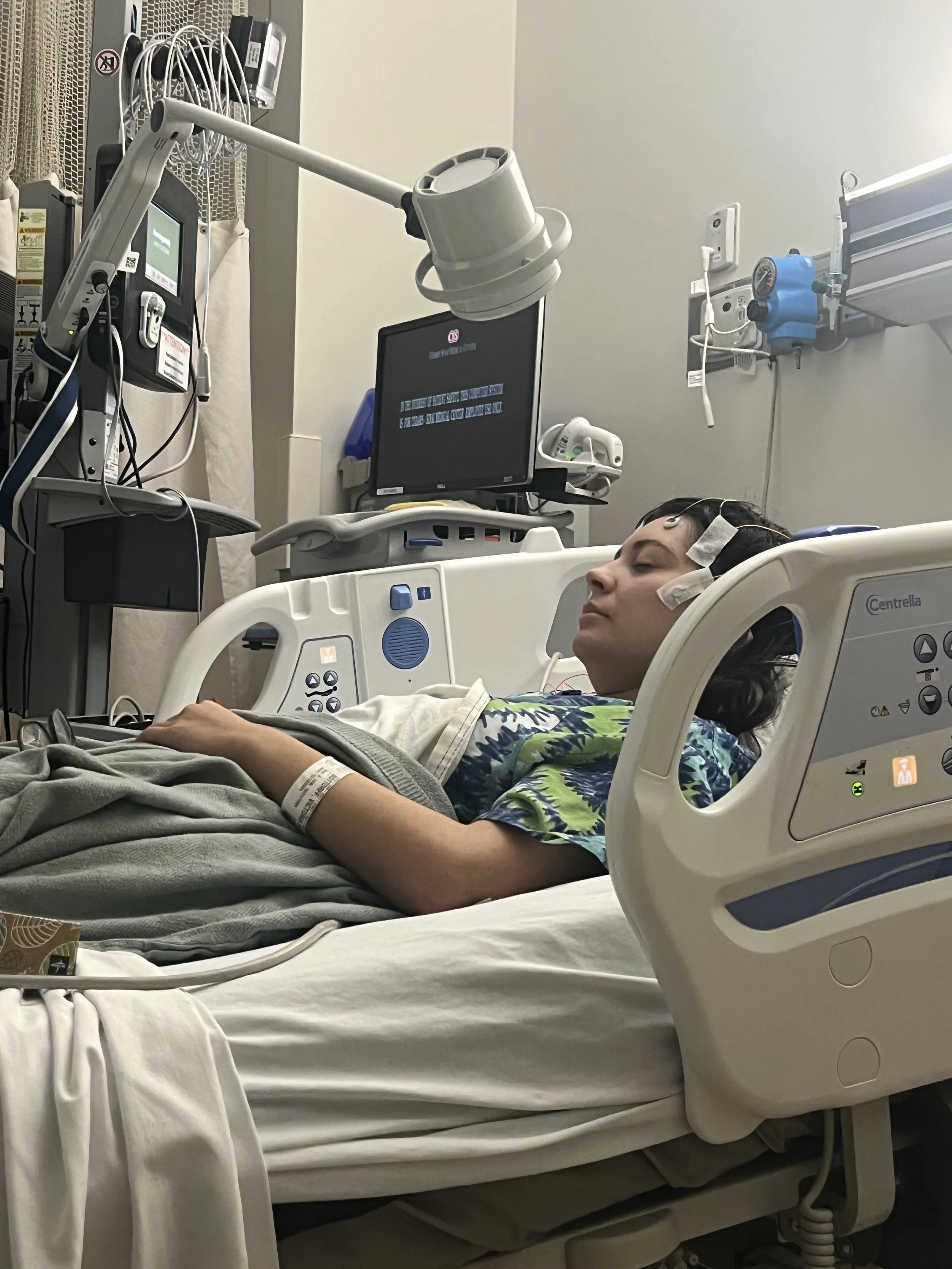
While medication helped me manage aspects of my migraine disorder, treating FND was a different challenge. There was no single medication that could restore my mobility, and finding specialized rehabilitation resources proved frustratingly difficult.
Doctors described FND as a problem with the brain's "wiring," but I struggled to find anyone who could explain how to fix it.
I turned to online support groups and found countless others sharing similar experiences: confusing symptoms, limited treatment access, and the exhausting process of trying to be taken seriously while living with a condition that remains widely misunderstood.
I began wondering, Is this really what the rest of my life is going to look like? Will I ever be able to run again?
“FND affects how the brain sends and processes signals, disrupting functions like movement, sensation, and speech. It's a problem with how the nervous system functions, rather than structural damage explaining the symptoms.”
Learning to move Again
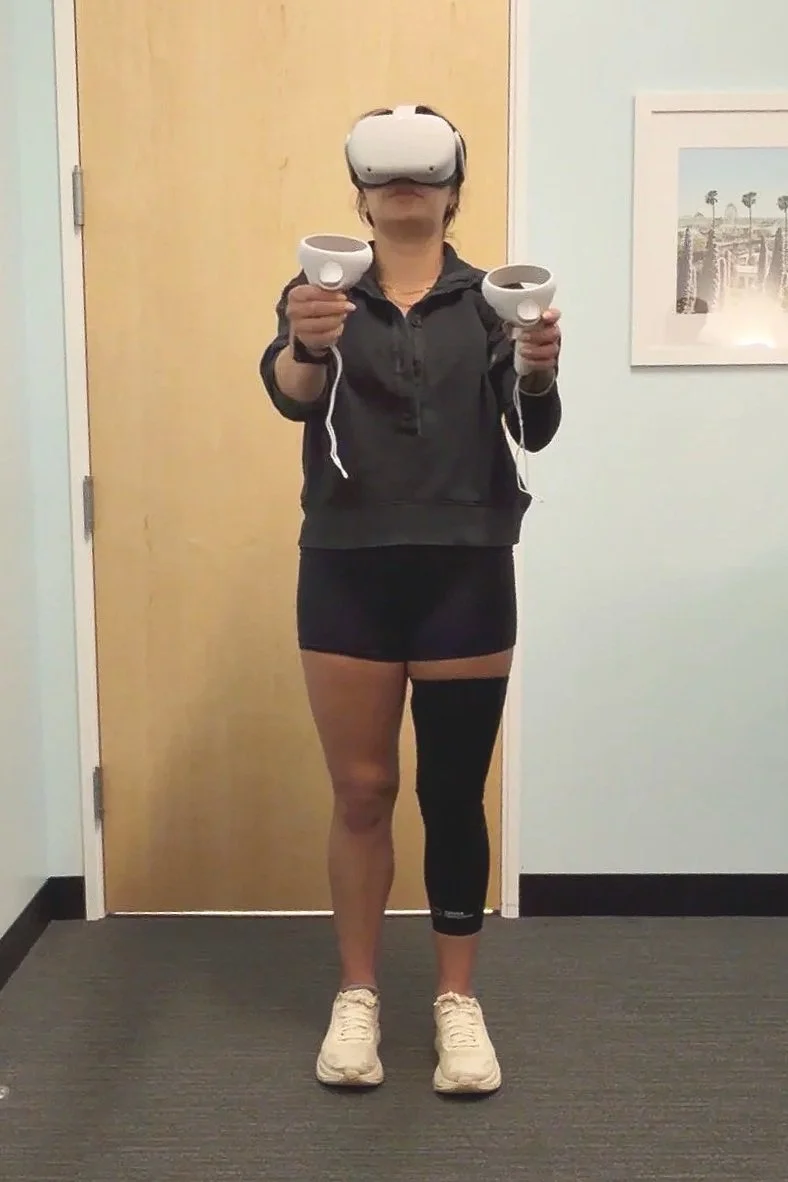
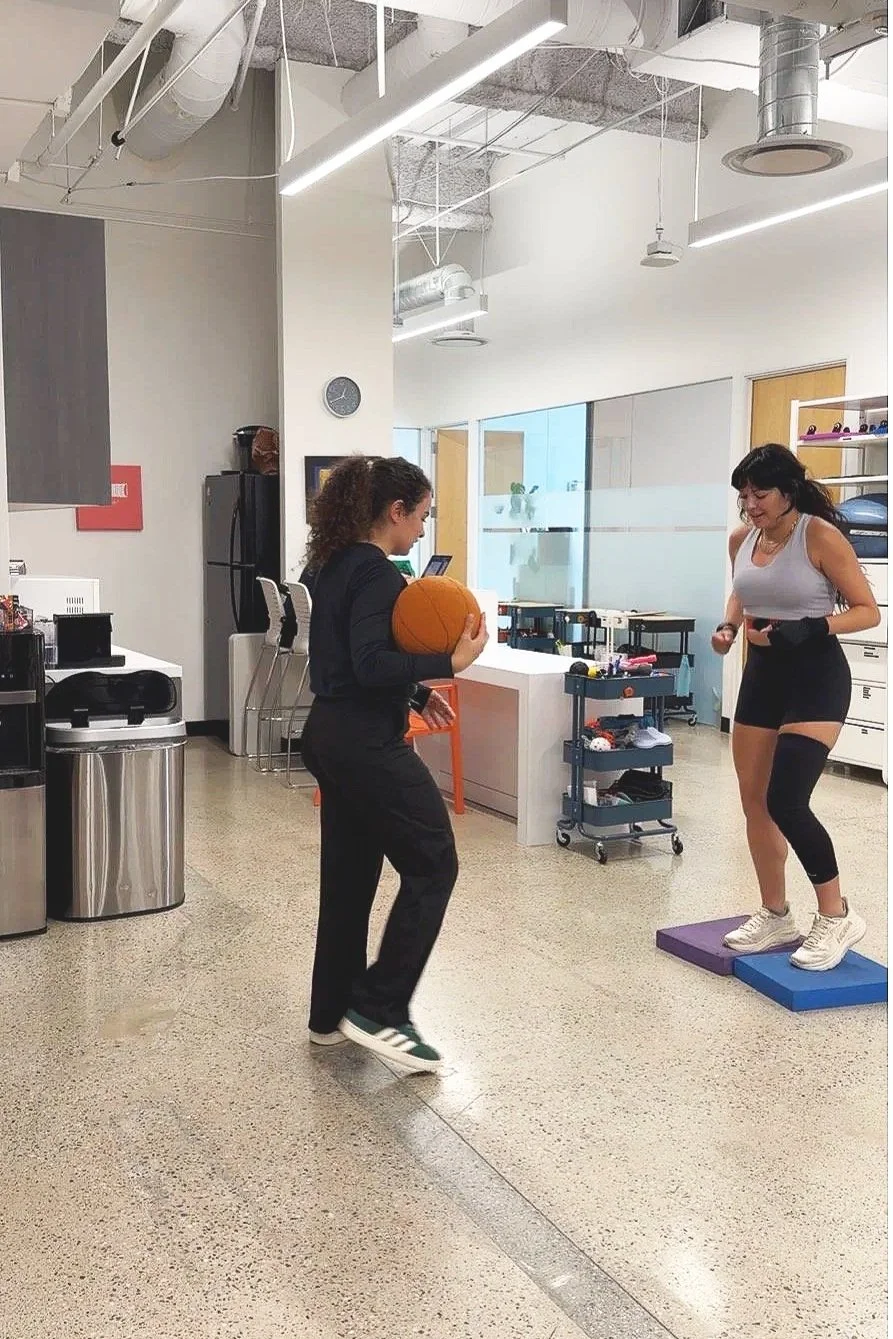
Months after my diagnosis, I began treatment at a neurological rehabilitation clinic specializing in FND.
For the first time, I had a path forward. Rather than avoiding movements that had become difficult, my rehabilitation focused on purposeful movement, repetition, and retraining the way my brain coordinates with my body.
Progress came slowly.
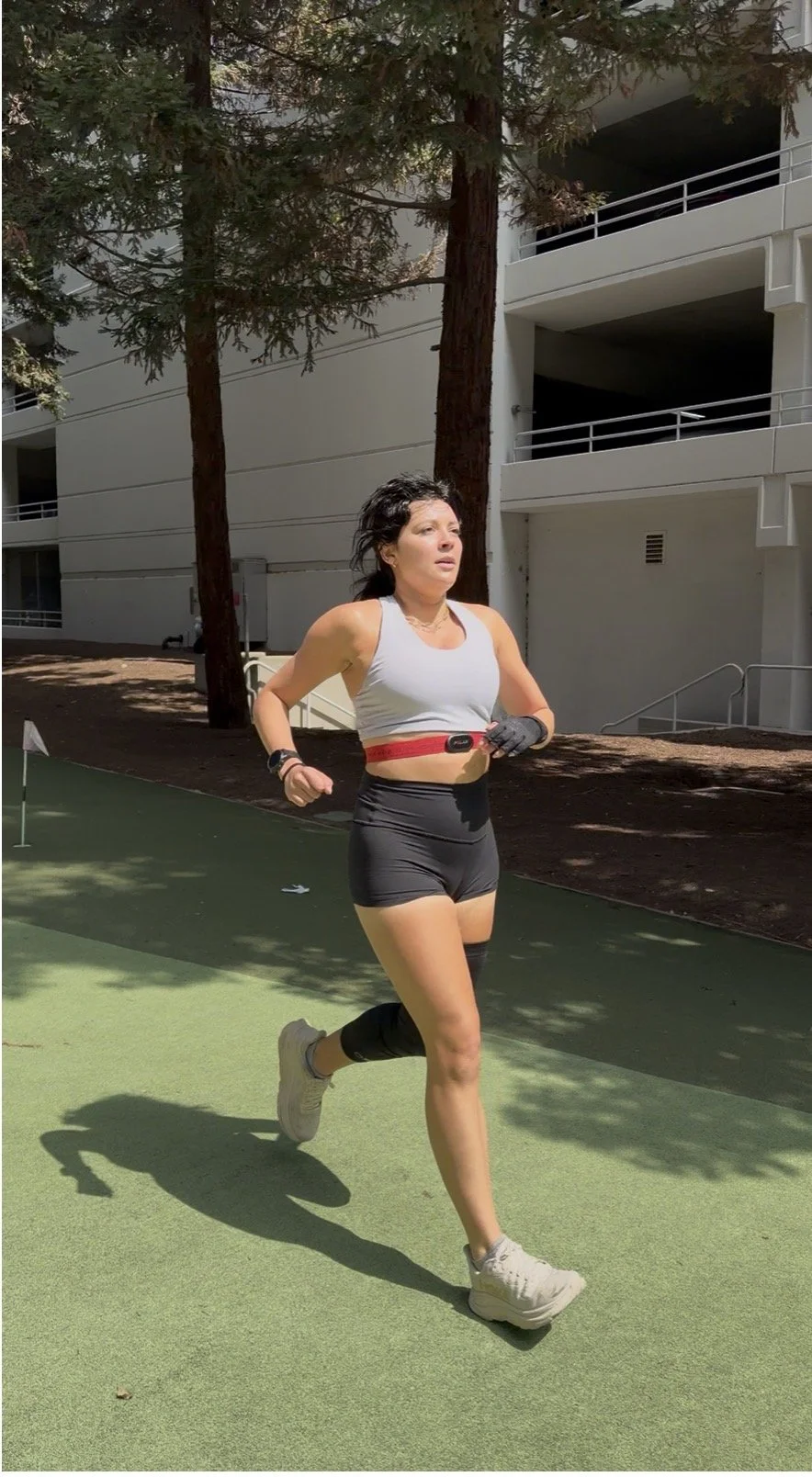
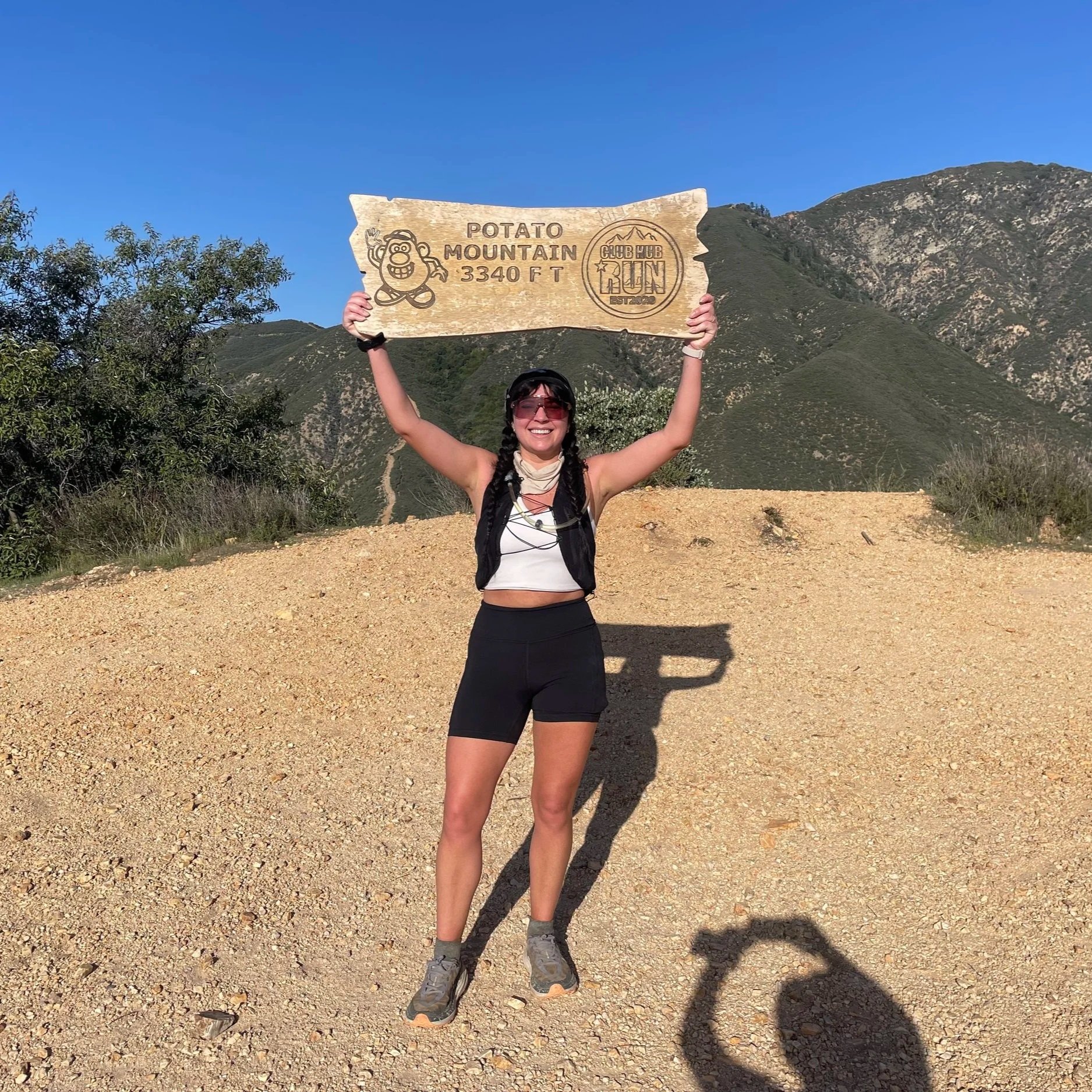
First, I began relying less on my cane. Then I could walk longer distances independently. Eventually, I found my way back onto the trails. Step by step, signal by signal, I was rebuilding a relationship with a body that had once felt completely foreign.
But recovery wasn't linear.
It still isn't.
Living with chronic hemiplegic migraine and FND means navigating two neurological conditions that can affect my physical abilities in unpredictable ways. Some days I can run for hours through the mountains. Other days, fatigue, neurological symptoms, or a flare-up can make even ordinary activities difficult.
My training now requires a different kind of awareness. I have to pay attention to triggers, recognize when my symptoms are escalating, prioritize recovery, and adapt my expectations when my body isn't cooperating.
Being an adaptive athlete has challenged everything I once believed about strength and endurance. I've had to learn that adapting isn't the same as giving up. That rest isn't failure. And that physical ability isn't a fixed measure of who I am.
There are still hard days. There are still unanswered questions. And there are still moments when I struggle to reconcile the athlete I know myself to be with the limitations I sometimes experience.
But I am learning that both versions of myself can exist in the same body.
Project ReWire100: The Unfinished business
Somewhere along the way, the dream of running 100 miles started to mean something different. Before my diagnosis, I wanted to finish because I'd come so close the first time. I wanted to prove I could endure the distance. After my diagnosis, simply getting back to a starting line felt like an achievement.
Project Rewire100 was born from that shift in perspective.
What began as a personal rehabilitation journey evolved into a year-long endurance and advocacy initiative dedicated to raising awareness and funds for Functional Neurological Disorder research.
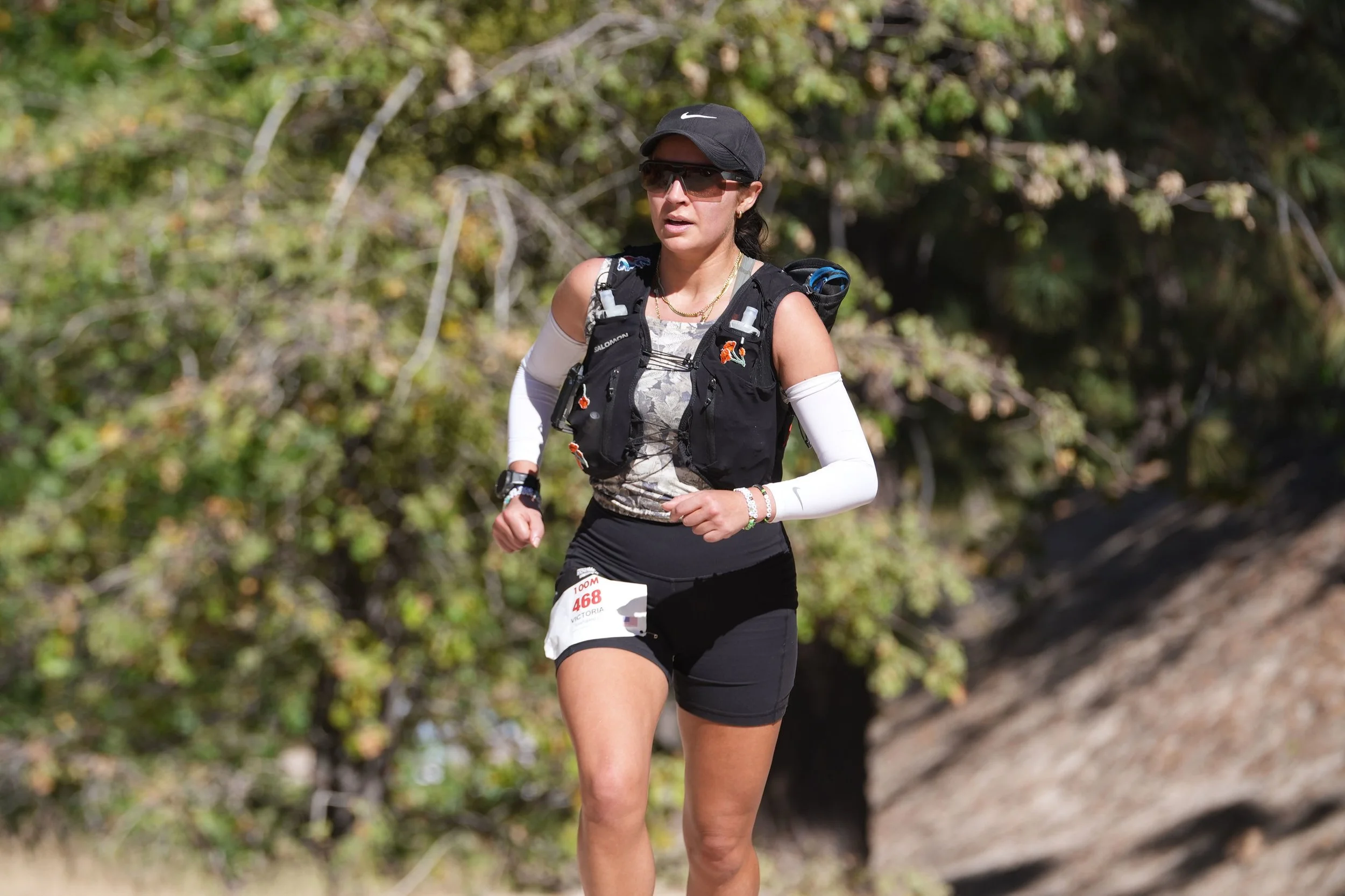
The project followed my return to endurance racing, beginning with the LA Marathon, continuing through summer ultramarathons, and culminating in the Kodiak 100 Mile Ultramarathon in Big Bear Lake, California, in October 2026.
And this time, I finished.
100 miles. After two neurological diagnoses. After losing my ability to walk. After wondering whether I'd ever run again.
In the hardest moments of the race, when exhaustion set in and every step felt impossible, I kept thinking back to the hospital bed where I'd spent days unable to walk. I thought about the frustration of learning how to move my body again, the grief of losing something I loved so dearly, and the uncertainty of whether I'd ever find my way back to the mountains.
As difficult as those 100 miles were, I knew what it felt like to desperately wish I could move my body and not be able to.
When I finally crossed the finish line, I wasn't crossing it alone. I carried with me the version of myself from a year earlier—the one who was grieving the loss of her independence, her identity as an athlete, and a future she had imagined for herself.
I wish I could go back and tell her that we made it.
But perhaps what struck me most wasn't the accomplishment itself. It was how deeply humbled I felt by both the beauty and the brutality of the experience. The mountains had pushed me to my limits, but this time, I had the privilege of choosing that struggle.
What a privilege it is to struggle for the things we desire most.
Crossing that finish line didn't mean I'd conquered FND or chronic hemiplegic migraine. It didn't mean I was cured or that the difficult days were behind me. It meant that despite everything that had changed, I had found my way back to something I loved—not as the athlete I was before, but as the athlete I've become.
And that was more than enough.
Beyond the Finish Line
The biggest victories of this journey were long before I reached mile 100.
They were the small, often invisible milestones: walking without my cane, regaining my independence, returning to work, finding treatment that helped, and learning to trust my body again. Those moments may not make for dramatic finish-line photographs, but they represent some of the hardest work I've ever done.
Finishing 100 miles felt like a celebration of all the climbs that lead me here.
And while I'm incredibly proud of that achievement, I don't want my story to suggest that recovery is measured by how far someone can run—or even whether they recover at all.
Not everyone living with FND or chronic neurological illness will have the same experience, access to treatment, or physical outcomes. Our worth is not determined by what our bodies can accomplish.
For me, Project Rewire100 has always been about something bigger than racing.
It's about adaptation over ability.
It's about reclaiming agency in a body that once felt lost.
It's about challenging assumptions of what an athlete with a disability can look like.
And it's about showing that progress doesn't have to be linear to be real.
Through Project Rewire100, I've shared my experience through film, writing, and community while raising funds for FND Hope, an organization supporting research, education, and awareness for people living with Functional Neurological Disorder.
As this chapter comes to a close, the mission continues through Forward, Not Done—a platform dedicated to sharing the realities of life with chronic neurological conditions, advocating for greater understanding and accessibility, and championing adaptive athletes in endurance sports.
I hope my story encourages others navigating disability or chronic illness to pursue a life that feels meaningful to them, whatever that looks like.
Because a diagnosis can change the direction of your life without having to define its limits.
I finished the race. But I'm far from finished.
One step. One mile. One signal at a time.
Forward, Not Done.
Make an Impact Today
Donations from Project: Rewire100 support FND Hope’s work advancing research, education, and awareness for Functional Neurological Disorder. Your support helps improve understanding, expand resources, and create better outcomes for people living with FND.
Get in Touch
Whether you have a question, an idea, or just want to say hello, feel free to reach out—we’re here to help.